

Periodontal Therapy for Healthier Gums
Non-Surgical Periodontal Treatment
Periodontal (gum) disease is an infection caused by bacterial plaque, a thin, sticky layer of microorganisms (called a biofilm) that collects at the gum line in the absence of effective daily oral hygiene. Left for long periods of time, plaque will cause inflammation that can gradually separate the gums from the teeth — forming little spaces that are referred to as “periodontal pockets.” The pockets offer a sheltered environment for the disease-causing (pathogenic) bacteria to reproduce. If the infection remains untreated, it can spread from the gum tissues into the bone that supports the teeth. Should this happen, your teeth may loosen and eventually be lost.
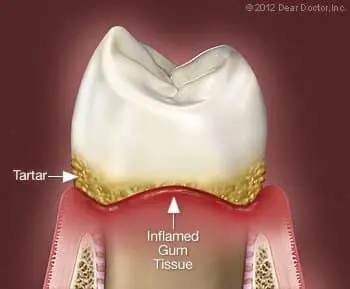
When treating gum disease, it is often best to begin with a non-surgical approach consisting of one or more of the following:
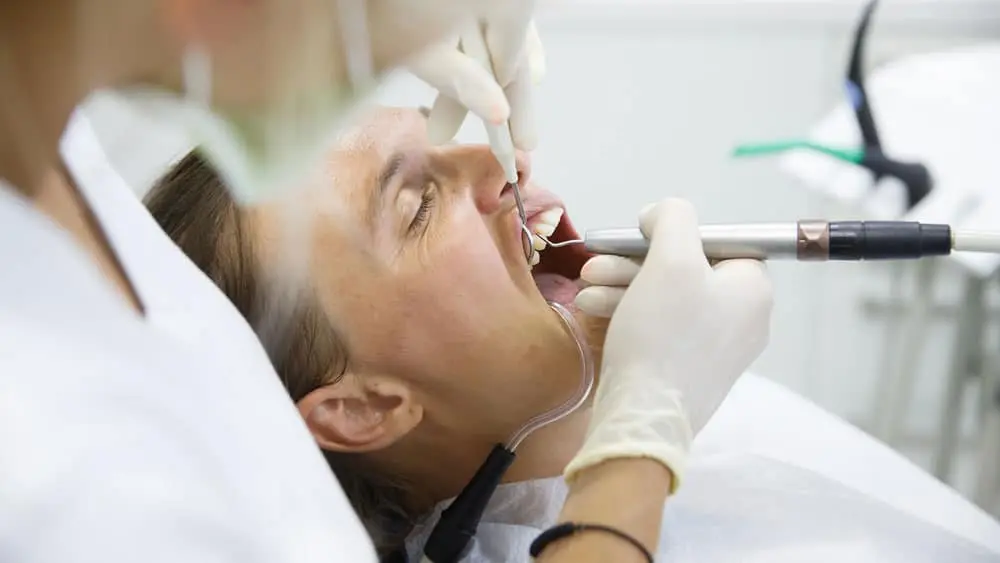
- Scaling and Root Planing. An important goal in the treatment of gum disease is to rid the teeth and gums of pathogenic bacteria and the toxins they produce, which may become incorporated into the root surface of the teeth. This is done with a deep-cleaning procedure called scaling and root planing (or root debridement). Scaling involves removing plaque and hard deposits (calculus or tartar) from the surface of the teeth, both above and below the gum line. Root planing is the smoothing of the tooth-root surfaces, making them more difficult for bacteria to adhere to.
- Antibiotics/Antimicrobials. As gum disease progresses, periodontal pockets and bone loss can result in the formation of tiny, hard to reach areas that are difficult to clean with handheld instruments. Sometimes it’s best to try to disinfect these relatively inaccessible places with a prescription antimicrobial rinse (usually containing chlorhexidine), or even a topical antibiotic (such as tetracycline or doxycyline) applied directly to the affected areas. These are used only on a short-term basis, because it isn’t desirable to suppress beneficial types of oral bacteria.
- Bite Adjustment. If some of your teeth are loose, they may need to be protected from the stresses of biting and chewing — particularly if you have teeth-grinding or clenching habits. For example, it is possible to carefully reshape minute amounts of tooth surface enamel to change the way upper and lower teeth contact each other, thus lessening the force and reducing their mobility. It’s also possible to join your teeth together with a small metal or plastic brace so that they can support each other, and/or to provide you with a bite guard to wear when you are most likely to grind or clench you teeth.
- Oral Hygiene. Since dental plaque is the main cause of periodontal disease, it’s essential to remove it on a daily basis. That means you will play a large role in keeping your mouth disease-free. You will be instructed in the most effective brushing and flossing techniques, and given recommendations for products that you should use at home. Then you’ll be encouraged to keep up the routine daily. Becoming an active participant in your own care is the best way to ensure your periodontal treatment succeeds. And while you’re focusing on your oral health, remember that giving up smoking helps not just your mouth, but your whole body.
Often, nonsurgical treatment is enough to control a periodontal infection, restore oral tissues to good health, and tighten loose teeth. At that point, keeping up your oral hygiene routine at home and having regular checkups and cleanings at the dental office will give you the best chance to remain disease-free.
Interested in learning more? Contact us or schedule an appointment today. Your smile will thank you!
Frequently Asked Questions about Periodontal Therapy
What are the earliest signs of gum disease I shouldn't ignore?
The first signs of gum disease are red or swollen gums, gums that bleed when you brush or floss, and a continuous bad breath, all of which are usually indications of gingivitis, the earliest and most reversible stage. When the condition progresses, you might notice the gums pulling away from the teeth, the development of loose teeth, or changes in your bite, which are signs of more advanced periodontal disease needing immediate treatment.
Once gum disease reaches the pocket stage, is it reversible or just manageable?
When the deep pockets have formed, and some bone support has been lost, the damage is generally not fully reversible, though treatments such as scaling and root planing can halt the disease’s progression and help the gums reattach more firmly to the tooth. Since early gingivitis, before pockets form, can be reversed with good oral hygiene, it is important to detect it early.
Does scaling and root planing hurt, and will I need anesthesia?
Scaling and root planing may cause some discomfort or sensitivity, particularly when the pockets are deep or the gums are inflamed, which is why most dentists administer a local anesthetic to the area before carrying out the procedure. It is normal to experience some soreness or sensitivity to heat and cold for a few days after the treatment, and this usually goes away on its own or with over-the-counter pain relief.
How long does recovery take after scaling and root planing?
Most patients return to their normal state within a few days, although their gums might remain a bit tender or sensitive for as long as a week while they are healing. The dentist may advise you to follow a diet consisting of soft foods and to brush gently around the areas that have been treated, with a follow-up appointment usually being arranged within a few weeks to see how well the gums have recovered.
How is periodontal therapy different from a regular teeth cleaning?
Regular cleaning removes plaque and tartar from the visible tooth surface in patients with healthy gums, while periodontal therapy, such as scaling and root planing, treats active gum disease by cleaning below the gumline and smoothing tooth roots to help pockets heal. It’s typically done in more detailed sessions and often needs local anesthetic, unlike a standard cleaning.
How often will I need maintenance visits after periodontal treatment?
Most patients move to a periodontal maintenance schedule of cleanings every three to four months after treatment, rather than the typical twice-a-year visits, since gum disease requires closer monitoring to prevent its return. Your dentist will adjust this frequency based on how your gums respond and your personal risk factors.
Does dental insurance typically cover periodontal treatment, such as scaling and root planing?
Since scaling and root planing is regarded as medically necessary rather than cosmetic, most PPO dental plans offer partial coverage for it; however, the exact percentage of coverage and any waiting periods will vary according to the particular policy you have. It’s advisable to check your coverage details with your insurance company or the dental office before treatment starts.
Where can I find a periodontist or gum disease specialist near Dr. Phillips in Orlando, FL?
Dental Flossophy, located at 7575 Dr. Phillips Blvd. #160 in Orlando, FL, provides non-surgical periodontal therapy, including scaling and root planing for patients with gum disease. Call (407) 363-0365 to schedule an evaluation and find out which treatment approach fits your stage of gum disease.